Monday, December 30, 2024


Musk calls some Trump supporters ‘contemptible fools,’ escalating tensio...
White evangelical voters show steadfast support for Donald Trump’s presidency
White evangelical voters show steadfast support for Donald Trump’s presidency
“After former President Donald Trump gave his victory speech early Wednesday, at the Palm Beach Convention Center, dozens of his supporters gathered in a lobby to sing “How Great Thou Art,” reciting from memory the words and harmonies of a classic hymn, popular among evangelical Christians.
It was a fitting coda to an election in which Trump once again won the support of about 8 in 10 white evangelical Christian voters, according to AP VoteCast, a sweeping survey of more than 120,000 voters. That level of support — among a group that represented about 20% of the total electorate — repeats similarly staggering evangelical support that Trump received in 2020.
Pastor Robert Jeffress of First Baptist Church of Dallas, one of Trump’s most prominent evangelical supporters since the 2016 campaign, called the election a “great victory.”
“Yes, there were some faith issues important to evangelicals, but evangelicals are Americans, too,” Jeffress said. “They care about immigration, they care about the economy.”
Some Trump critics fear he will implement a Christian nationalist agenda they see as giving Christians a privileged position in the country and flouting the separation of church and state.
Even if some of the administration’s expressions of religion are in rhetoric rather than policy, that can have an impact in a country that is more secular and religiously diverse than in past generations, said Andrew Whitehead, author of “Taking America Back for God: Christian Nationalism in the United States.”
“For those who do not embrace that expression of Christianity or the Christian religion or no religion at all, they will feel marked as ‘other’ and not truly American,” said Whitehead, associate professor of sociology at Indiana University Indianapolis.
Whitehead anticipated that a Christian nationalist view will likely motivate restrictive immigration policies on the grounds of protecting traditional American culture, such as the first Trump administration’s ban on travel from several Muslim-majority countries.
Jeffress dismissed concerns of those who predict a Christian nationalist administration.
“People who are not Christians are unduly worried he’s going to institute some kind of oppressive theocracy. He has no interest in doing that,” Jeffress said, noting that Trump has shown no interest in banning same-sex marriage or imposing an absolute abortion ban.
Trump’s strongest supporters among evangelical leaders can likely expect the kind of White House access they had in the first Trump term.
Trump has proclaimed a sense of divine mandate.
“Many people have told me that God spared my life for a reason,” Trump said in his victory speech, referring to the widespread proclamations among evangelical supporters that he received miraculous divine protection in the near-fatal assassination attempt in Butler, Pennsylvania, on July 13. “And that reason was to save our country and to restore America to greatness.”
On the campaign trail, Trump pledged to “protect Christians in our schools and in our military and our government” and in “our public square.” Many church-state battles in recent years have focused on Christian symbols in public settings, such as displays of crosses.
The Republican platform pledged to defend Christians as well as Jews facing persecution. While it included a general pledge to protect the worship of all faith groups, those were the only two singled out by name. The platform also championed the right to “pray and read the Bible in school.”
Trump is pledging to support other evangelical priorities, such as support for Israel and a pushback on transgender rights, saying, “God created two genders, male and female.” Evangelicals have been dismayed that Trump has distanced himself from the strictest antiabortion proposals, though evangelical leaders saw Trump as preferable to Harris’ strong advocacy for abortion rights.
Pro-Trump rallies featured expressions that have been embraced by Christian nationalists, such as the song “God Bless the U.S.A.” Many at Trump rallies wear shirts proclaiming, “Jesus is my savior, Trump is my president.”
Evangelicals’ support of Trump initially took many by surprise, given his casino ventures, multiple marriages, accusations of sexual misconduct and, more recently, his central role in fomenting the 2021 Capitol riot and his conviction on fraud charges. But many supporters dispute these accusations or see him as an imperfect but powerful champion.
“People support President Trump not for his piety but for his policies,” Jeffress said.
John Fea, a history professor at Messiah University in Mechanicsburg, Pennsylvania, who wrote a book on the evangelical backing for Trump in his 2016 campaign, said the persistence of that support was not surprising.
In this campaign, Fea said he spoke with evangelicals who were uncomfortable with Trump. They were “looking for any reason to vote for Harris,” such as some moderation on abortion. “I don’t think Harris was giving them much.”
It wasn’t just white, non-Hispanic evangelicals supporting Trump. So did about just over half of Latino evangelicals and about 6 in 10 white Catholics, according to AP VoteCast. Overall, about 6 in 10 Mormons also backed the former president.
Pastor Abraham Rivera of La Puerta Life Center in North Miami, Florida, attributed Trump’s popularity among all Latinos, and evangelicals in particular, to their conservative values regarding morality and family.
“The gender identity issue that the left pushes a lot, I think it puts off a lot of Latino evangelicals,” Rivera said. Members of his congregation voiced some concerns about Trump’s “personality or things he says,” but not his policies, Rivera said.
He expects the frequent contacts that Latino evangelical leaders had with Trump’s first administration to continue, giving them a voice. In contrast, he felt doors “were shut closed” in the Biden White House, which seemed to disregard the values of many conservatives.
But Rivera added: “The idea that some evil Christian right is going to take over everything is just crazy.”
Fea said a Christian nationalist agenda may be more rhetorical than substantive on the national level — whereas he said there are genuine cases of it on the local level. He anticipated that the Trump administration would not push back against such things as a new Louisiana law requiring the posting of the Ten Commandments in public schools and an Oklahoma education official’s order for public schools to incorporate the Bible into lessons. Both face court challenges.
The 2024 Republican platform pledged to use “existing federal law to keep foreign Christian-hating Communists, Marxists, and Socialists,” as well as “jihadists” out of America. On the campaign trail, Trump said he would form a federal task force to fight the “persecution against Christians in America.”
Other groups, nationally and within local churches, are poised to push back on a Christian nationalist agenda.
Americans United for Separation of Church and State pledged to resist any Trump administration policies that privilege Christians and use claims of religious freedom as a “license to discriminate,” said Andrew Seidel, the group’s vice president of strategic communications.
He anticipates the incoming Trump administration has a plan to implement the Heritage Foundation’s Project 2025, which he said has a Christian nationalist blueprint, despite Trump distancing himself from it.
“This time, they are ready for a win,” Seidel said. “Last time they were the dog that caught the car. They didn’t know what they were doing. They’re going to be ready to go on day one.”
The Rev. Tim Schaefer, pastor of First Baptist Church of Madison, Wisconsin, said he opposes Christian nationalism in part because it defies the separation of church and state – an important belief in his Baptist tradition.
“Our job then is to remind folks that we were not established as a Christian nation,” he said. “There was a desire on behalf of the founders to be a religiously pluralistic nation.”
___
Associated Press journalists Giovanna Dell’Orto, Tiffany Stanley and Amelia Thomson-DeVeaux contributed.
___
Associated Press religion coverage receives support through the AP’s collaboration with The Conversation US, with funding from Lilly Endowment Inc. The AP is solely responsible for this content.“
Sunday, December 29, 2024
Former President Jimmy Carter has died at 100
“Mr. President, 50 years from now, 100 years from now, what do you want your legacy to be?” When Jimmy Carter was sworn in as the president of the United States in 1977, the nation was still reeling from a period of political upheaval. “I came along at a time when Americans still remembered painfully the lies told and the debacle of Watergate. I was outside of Washington, I was not stigmatized by the mistakes that had been made in those previous years.” “It’s a long way from Plains, Ga., to Washington, D.C.” “And I brought a fresh face of a peanut farmer, a working man who swore never to tell a lie or make a misleading statement. Jimmy Carter from Georgia. I hope to be your next president.” “The president and his family surprise and delight everyone by walking the parade route down Pennsylvania Ave. up to the presidential reviewing stand in front of the White House.” But winning the White House at the height of the Cold War carried extraordinary responsibility. “The system is survivable. It’s verifiable.” The peanut farmer from Plains suddenly had his finger on the button to start World War III. “It’s a horrifying thought. If the Soviets launched a missile attack from Soviet territory, we had 26 minutes before the missile struck New York or Washington or whatever, for me to respond. And so I knew what — that I would have to respond, which may result in a holocaust. So I went out of my way to understand the problems of Brezhnev. I used to sit by a globe and turn it to Moscow, and try to imagine how it looked out on the rest of the world with a formidable military force in NATO and tremendous challenge from China. And what would happen if the Soviets became convinced that they were in danger. Well, I tried to avoid all that, but it was a very, very terrible responsibility. To give our own and our nation’s security.” Carter took pains to keep the peace and to broker a nuclear arms deal. But when the Soviets invaded Afghanistan in 1979, he rolled out a covert mission to arm Afghan resistance fighters and announced a boycott of the 1980 Olympic Games in Moscow. “With Soviet invading forces in Afghanistan, neither the American people nor I will support sending an Olympic team to Moscow.” The goal, he says, was to pressure the Soviets to reform. “I wanted to change their system of government, but I also wanted to bring the Soviet Union into the international forum. The Soviet Union had, in effect, promised to honor human rights, and they had failed. But over a period of time, I think that may or may not have had an impact on Mikhail Gorbachev when he decided on glasnost and perestroika, and that in effect, resulted in the dismantlement of the Soviet Union, and also resulted in the withdrawal of Soviet invading troops from Afghanistan.” Despite his ongoing struggles with the Soviets, Carter forged major accomplishments in foreign policy: opening diplomatic relations with China, pushing through a Panama Canal treaty and brokering a historic Middle East peace deal. “Sun and tension on the Egyptian-Israeli border.” “I recognized before I was president the importance of the Mideast crisis between Israel and Egypt because there had been four major wars in the previous 25 years. I was able to bring Sadat and Begin to Camp David, and we had a very successful 13 days there. And we came out with the Camp David Accords, which led six months later to a treaty between Israel and Egypt. Not a word of which has ever been violated since.” But the watershed agreement did not fix the problems dogging Carter’s presidency: runaway inflation. “We must face a time of national austerity.” The energy crisis. “All of us must learn to waste less energy.” And a management style that Americans found pessimistic and uninspiring. “It is a crisis of confidence.” The final blow for Carter’s re-election came in November 1979. “Good evening. The U.S. Embassy in Tehran has been invaded and occupied by Iranian students.” More than 50 Americans were taken hostage in Iran and held for 444 days until the final hours of Carter’s presidency. “We had adequate warning that there was a threat to our embassy, and we could have done what other embassies did — either strengthen our security there or remove our personnel.” Polls predicted a close race, but in the end, Carter won in just five states and Washington, D.C. “And this country is almost solidly in the Reagan colors tonight.” After leaving the White House, Jimmy Carter reinvented himself. And redefined the role of a former president, finding his new purpose and esteem as a freelance statesman. [speaking Spanish] Carter says even political rivals asked for his diplomatic help. “Ronald Reagan didn’t take an active interest in the Mideast. He disavowed many of the things that I had done, and to my surprise, he called me on the phone and asked if I would help draft a speech that he wanted to deliver on the subject. And I responded eagerly. So he sent his national security adviser or his speechwriter — I can’t remember which — down to my home, and in the front room of my house, we drafted the portion of his speech delivered in 1982 on the Middle East.” “With respect to the Arab-Israeli conflict, we’ve embraced the Camp David framework as the only way to proceed.” “When George Bush senior came into the White House, they were interested in Latin America. They specifically asked me to get involved in holding an election that replaced the Sandinistas peacefully instead of by war, and ended the war. The Contra problem for Nicaragua will be solved by an honest election.” Carter’s diplomatic skills really got put to the test in 1994, when tensions between President Clinton and Kim Il Sung over North Korea’s nuclear program put the two countries on a collision course. “Kim Il Sung was giving me constant requests that I come to Pyongyang and help him resolve the impasse. I wrote President Clinton a letter and said, I have decided to go to North Korea. Al Gore, the vice president, was in the White House and he intercepted my letter and he said, ‘Mr. President, if you’ll change your letter to say I’m strongly inclined to go to North Korea instead of I’m going to North Korea, I’ll try to get President Clinton to agree to approve.’” Carter finally got the green light from the White House, or so he thought. “They didn’t think I had any chance to succeed. Good morning. I succeeded.” Key for Carter was having CNN camera crews broadcasting the historic negotiations. “I’m a nuclear engineer by training. I knew the intimacies of their nuclear power plant. I talked to their nuclear specialists and also directed to Kim Il Sung. And he and I agreed that he would not proceed with his nuclear program. The proposal was that there would be an immediate assurance that the I.A.E.A. inspectors would stay on site. When I got back to Seoul, though, I was told by the White House that they were dissatisfied. Al Gore was on the speakerphone. I said, I want to come to Washington and explain what I’ve done. And he told me, ‘Mr. President, you are not wanted in Washington. Our suggestion is you go directly back to Plains.’ Well, I was angry, put it mildly. I thought I had prevented a war. I thought I had worked out a satisfactory agreement for the future.” As soon as Carter touched down in the U.S., the press was filled with stories about how Carter had turned what was meant to be a private visit into a televised summit. “There were horrendous stories about me in The New York Times that I had exceeded my authority and that I had made false claims about the acquiescence of Kim Il Sung. That I was naive and ignorant and so forth. So I sent Kim Il Sung an urgent letter, and asked him to confirm to Clinton, not to me, all the agreements he had reached. I think there were 12 of them. And so that was adopted by the Clinton administration as their policy.” That policy did help to avert war. But critics say Jimmy Carter and President Clinton were wrong to appease a rogue nation like North Korea, which would later develop a nuclear arsenal in violation of the agreement he helped broker. In his later years, Carter traveled the globe with the Carter Center to fight disease and monitor elections in emerging democracies. “We believe that all of our questions have been answered.” Work that earned the former president a Nobel Peace Prize in 2002, just as he was forging a very public campaign opposing the coming American invasion of Iraq. “Global challenges must be met by an emphasis on peace.” When we sat down with President Carter in 2006, he laid out his vision for America’s role in the future and his concerns about missteps in the post-9/11 world. “The announcement and practice of preemptive war, the complete abandonment of all the nuclear arms control agreements that were reached, the claim, in effect, that prisoners could be mistreated or tortured or deprived of habeas corpus, these are some of the things that I think has caused a deterioration in our country’s basic stature and integrity. I would like to see our country be the champion of human rights. And every American Embassy looked upon as a haven for those who suffer from human rights abuse. I’d like to see our country be the most generous on earth. These are not just my goals, and they will not be my accomplishments, but the affirmation of our nation’s continuing moral strength and our belief in an undiminished, ever expanding American dream.”
Trump Weighs In on H-1B Visas Supported by Elon Musk - The New York Times
Trump Weighs In on Immigrant Visa Debate but Offers Little Clarity
"He said in an interview that he had used the visas for skilled workers “many times.” But he has mainly used visas for unskilled workers like housekeepers.

President-elect Donald J. Trump appeared to weigh in on Saturday on a heated debate among his supporters over the role of skilled immigrant workers in the U.S. economy, saying he had frequently used the visas for those workers and backed the program.
“I have many H-1B visas on my properties,” he told The New York Post. “I’ve been a believer in H-1B. I have used it many times. It’s a great program.”
But his comments — which were enthusiastically embraced by the technology industry as an endorsement — may muddy the waters because Mr. Trump appears to have only sparingly used the H-1B visa program, which allows skilled workers like software engineers to work in the United States for up to three years and can be extended to six years.
Instead, he has been a frequent and longtime user of the similarly named, but starkly different, H-2B visa program, which is for unskilled workers like gardeners and housekeepers, as well as the H-2A program, which is for agricultural workers. Those visas allow a worker to remain in the country for 10 months. Federal data show Mr. Trump’s companies have received approval to employ over 1,000 workers through the two H-2 programs in the past 20 years.
The Trump transition team did not reply to multiple requests for comment seeking clarity on the type of visas the president-elect was referring to in the interview.
But it did respond to a prior query about Mr. Trump’s position on work visas by sharing the text of a speech he made in 2020 extolling the work of American citizens in building the country, noting that “Americans must never lose sight of this miraculous story.” While campaigning in 2016, Mr. Trump spoke out against the H-1B program, calling it “very bad for workers” and stating that “we should end it.”
Still, the news report on Saturday set off a wave of celebration in the tech industry and among supporters of Elon Musk, the world’s richest man, who has been an outspoken advocate of H-1B visas.
Ian Miles Cheong, a social media influencer with 1.1 million followers on X, posted, “Donald Trump backs Elon Musk on H-1B visas.”
Mr. Musk, a naturalized citizen born in South Africa who has said he held an H-1B visa, replied to another post claiming the president-elect had come down in favor of the skilled worker visas with one word: “indeed.”
Mr. Musk has frequently stated that the visas are necessary because of a lack of American citizens capable of doing the work required by tech companies. “There is a permanent shortage of excellent engineering talent,” he wrote on Christmas Day on X, the platform he acquired in 2022 for $44 billion.
Visas for skilled workers have become a highly polarizing topic among Mr. Trump’s followers, many of whom oppose all types of immigration and call for the country’s borders to be closed.
That contrasts with his supporters from Silicon Valley, who have long relied on programmers entering the country on H-1B visas to supplement their work forces.
The debate reached a boiling point over the past week as Trump loyalists including Laura Loomer, a right-wing activist, attacked the visas on social media, calling them a threat to American workers and the country’s sovereignty.
“I foresee this as a national security risk,” she told The New York Times.
The increasing acrimony on social media between the two camps ultimately led to Ms. Loomer losing her verified status on X, cutting her off from income from her 1.4 million followers. (She still had not regained her verified status on Saturday night, although she noted that X on Saturday still charged her the $16 monthly fee for that status.)
Mr. Musk, for his part, on Saturday made a sexual comment attacking a critic of the visasand then stated that H-1B visas are the reason companies like SpaceX and Tesla are strong. Tesla has obtained 724 H-1B visas this year.
Stephen K. Bannon, a close adviser to the president-elect and a self-proclaimed “populist nationalist” who opposes immigration, reposted Mr. Musk’s comment online, calling the billionaire a “toddler.”
In an interview on Saturday, he said he opposed both H-1B and H-2 visas, claiming that they drove down wages for American workers while increasing profits for billionaires.
“This is war,” Mr. Bannon said. “I’m glad we’re having this debate now before Trump takes office.”
Both the H-1B and H-2 programs are overseen by the Department of Labor, which imposes different rules for each. The skilled worker program currently has a cap of 65,000 per year, a number that technology companies have pushed to increase.
H-2B visas, which are for nonagricultural unskilled labor, are capped at 66,000, while H-2A visas, for agricultural workers, have no caps, but are limited to certain sectors of the industry.
From 2003 to 2017, Mr. Trump’s companies were approved for more than 1,000 H-2 visas for jobs like cooks, housekeepers and waiters at his properties, including Mar-a-Lago in Palm Beach, Fla., and the Trump National Golf Club in Jupiter, Fla., Labor Department data show. In each instance, the companies had to attest that there were no American citizens who could perform those jobs.
His companies continued to hire H-2 workers during his first presidential term, posting applications for visas for 78 housekeepers, cooks and food servers at Mar-a-Lago in mid-2018, for example.
Federal records show that Mr. Trump’s companies have applied for a dozen H-1B visas since 2019, but that most of those applications — for quality control manager positions — were subsequently withdrawn.
The most recent H-1B application, by Trump Media & Technology Group, the company that runs the Truth Social platform, was posted in 2022 seeking a “product data analyst” with a salary of $65,000. It was not clear if that position was filled.
Currently Mr. Trump’s winery in Charlottesville, Va., is seeking 31 foreign vineyard farmworkers under the H-2A program, offering them $15.81 per hour.
Jeremy Singer-Vine, Maggie Haberman and Ryan Mac contributed reporting."
Saturday, December 28, 2024
Trump team says Canada, Greenland, Panama comments are part of a broader plan
Trump team says Canada, Greenland, Panama comments are part of a broader plan

"In the past several weeks — and before he has been sworn in for his second term — President-elect Donald Trump has threatened trade wars with both of the United States’ closest neighbors, mused about taking over Greenland, blustered about bringing the Panama Canal back under American control and suggested making Canada the 51st state.
Less than a month before his inauguration, Trump — who vowed to end foreign wars and made “peace through strength” a rallying cry of his 2024 presidential campaign — is crafting an “America First” foreign policy defined by antagonism toward U.S. allies and adversaries alike, centered around dreams of territorial expansionism, and channeled through the president-elect’s braggadocio.
Trump’s pre-presidency tactics regarding Greenland, the Panama Canal and the United States’ closest neighbors aren’t likely to result in massive change. Canadians and their political leaders are unlikely to prove receptive to dissolving their country, and U.S. lawmakers have not broadly expressed willingness to absorb Canada as a new state. Greenland’s prime minister has said the island is not for sale, and Panamanian President José Raúl Mulino has said that “every square meter of the Panama Canal and its adjacent zone belongs to Panama and will remain so.”
For any other modern president — especially one who campaigned on ending wars, not starting them — threatening to encroach on allies’ sovereignty would be extremely unusual.But U.S. foreign policy during Trump’s first term was marked by near-constant departures from diplomatic conventions and prior international commitments and defined by unpredictable and at times hostile political and economic brinkmanship with traditional partners and enemies across the globe. For Trump, training his imperial instincts on some of the United States’ closest partners advances a version of that same scattershot foreign policy he pursued during his first term, when he sought to forcefully promote American interests on the global stage with little regard for borders or delicate international relationships.
Trump presidential transition
Trump’s team insists that his recent comments are part of a broader strategy.
“World leaders are flocking to the table because President Trump is already delivering on his promise to Make America Strong Again,” Trump transition spokeswoman Anna Kelly said in a statement. “When he officially takes office, foreign nations will think twice before ripping off our country, America will be respected again, and the whole world will be safer.”
An overarching mission of countering Russia and China is the common thread tying together Trump’s comments about Canada, Mexico, Greenland and Panama, a Trump transition official argued. Trump himself has not explicitly made that argument.
“This isn’t just slapdash, there’s a coherent connective tissue to all of this,” said the official, who spoke on the condition of anonymity because they were not authorized to discuss the matter publicly. “Trump knows what levers to pull and what guardrails there are and he’s in a position of power to utilize those levers.”
Earlier this month, Canadian officials announced a plan to increase spending on border security and use canine teams and artificial intelligence to intercept illegal drugs. The transition team has pointed to that announcement as an early indication of the success of Trump’s strategy.
Not everyone is convinced. Former Rep. Carlos Curbelo (R-Florida) told MSNBC this week that Trump’s messages could “deteriorate” relationships between the United States and other countries, which could make it more difficult to build international alliances in the future. “These kinds of insults could provoke them into a confrontation with the United States,” Curbelo said, noting it’s unlikely that it would be a military conflict. “There is a risk here even if it is a negotiating tactic.”
Trump’s focus on the Western Hemisphere, as opposed to Russia and China directly, indicates that he is “less convinced we can determine national security outcomes in other theaters of the world,” where the U.S. has less influence, according to Ryan Berg, the director of the Americas Program and head of the Future of Venezuela Initiative at the Center for Strategic and International Studies, a nonpartisan Washington-based nonprofit group that specializes in national security issues.
On Sunday, while announcing Ken Howery, a co-founder of PayPal and former U.S. ambassador to Sweden, as his pick for ambassador to Denmark, Trump emphasized his desire to take ownership of Greenland, the semiautonomous Danish territory where the United States maintains its northernmost air base.
“For purposes of National Security and Freedom throughout the World, the United States of America feels that the ownership and control of Greenland is an absolute necessity,” Trump wrote on his social media network, Truth Social.
Trump has actively pursued the idea of buying Greenland since at least 2019, when the then-president pushed his top aides to look into the process of acquiring the world’s largest island, whether buying it would be legal and where money to purchase the vast, icy landmass might come from. The idea came from an old friend of Trump, Ronald Lauder, an heir to the Estée Lauder cosmetics fortune, who pitched him on the plan at the outset of his first term.
Although it sounds “a bit hilarious,” the island’s strategic importance has been a long-standing issue in U.S. foreign policy, and Trump’s announcement was “not unexpected” based on his past positions, said a former Danish diplomat who dealt with the issue during the first Trump administration, speaking on the condition of anonymity to discuss a sensitive international issue. Mike Pompeo, Trump’s second secretary of state, visited the region in June 2020 shortly after the U.S. reopened its first consulate in Nuuk, Greenland, for the first time since 1953. Pompeo highlighted America’s presence in the Arctic, and took aim at Chinese and Russian efforts to gain a foothold in the resource-rich island.
“Something is probably going to happen with Greenland over the next 10 to 15 years,” the former diplomat added. “They might go independent which is why the U.S. is hedging for all futures. They are moving in the direction that the U.S. sees as a part of its zone of influence.”
In a separate series of social media posts last weekend, Trump escalated his threats to retake control of the Panama Canal, accusing Panama of “ripping off” the United States with high shipping rates and allowing Chinese soldiers to operate the waterway — claims that Mulino denied.
“There are no Chinese soldiers in the canal, for the love of God,” Mulino said during a briefing last week, addressing Trump’s post directly. “It’s nonsense. There is not a single Chinese soldier in the canal.”
But Berg said there is some validity to the idea that China’s global-port influence — including on both sides of the Panama Canal — is expanding.
“There is worry about Chinese influence of the canal and the reliability of U.S. operations,” Berg said. “It could be one of the main routes to deploy U.S. naval vessels from the Atlantic to the Pacific in a contingency situation where we have national security interests — such as Taiwan.”
Trump’s obsession with the Panama Canal is long-standing, according to John Feeley, who served as Trump’s ambassador to Panama. Trump felt that President Jimmy Carter made a “historic mistake” by signing two treaties that relinquished American control over the canal, Feeley said — an echo of Ronald Reagan’s position that the U.S. was the “rightful owner” of the canal. When Trump raised the matter during his first meeting with then-president Juan Carlos Varela in 2017, Varela responded with a non sequitur about Syria, managing to avoid an escalation of the topic, according to Feeley.
“The tiger doesn’t change its stripes. He’s got history with these ideas — these are not coming out of nowhere,” Feeley said. “And Donald Trump thrives on chaos. He loves to be the agent of chaos. He feels that this kind of disruptive approach to international affairs makes him and the United States strong.”
“It’s very much the Richard M. Nixon uncontrollable madman theory,” Feeley continued, referring to the Nixon administration’s strategy of cultivating an image of a volatile and unpredictable president to intimidate and destabilize adversaries.
Trump’s expansionist rhetoric harks back to a time when a state’s power was defined by the land it controlled, rather than the more diffuse forms of influence — military, economic, cultural and diplomatic — that U.S. presidents have pursued since the conclusion of World War II, said Daniel Immerwahr, a Northwestern University history professor and author of “How to Hide an Empire,” a history of American imperialism.
“None of this would have sounded weird in the 19th century,” Immerwahr said, adding that Trump has embraced a more forceful approach to U.S. diplomacy, appearing to lack the patience for the “sinuous blend of cooperation and consent” that has defined U.S. diplomacy for much of the last century.
Trump’s focus on the Panama Canal is ironic because the passageway historically was the focal point of a shift in U.S. policy away from territorial expansionism toward a more “informal empire,” said Jonathan Katz, a foreign correspondent and author of “Gangsters of Capitalism,” a biography of Smedley Butler, a decorated Marine and veteran of America’s foreign wars in the late 19th and early 20th centuries.
“It’s really in Panama where America makes this turn to ‘we’re not going to formally colonize this place, but we’re going to create a de facto colony and control the strip in the middle,’ ” Katz said.
Trump’s expansionist visions may appear to contradict the anti-interventionist promises he made on the campaign trail, as he argued the United States should limit spending to defend Ukraine and bashed the North Atlantic Treaty Organization. But his positions echo the early foreign policy of Woodrow Wilson, one of the first politicians to run on the catchphrase “America First.”
Wilson is largely now remembered for his efforts to advance international order through the creation of the League of Nations. But he ran for office on the slogan, “He kept us out of war,” as he vowed to keep the United States out of World War I. Katz noted that the people of Haiti, the Dominican Republican and Mexico would have disagreed with that motto, given U.S. intervention in those countries during Wilson’s first term.
“When we’re talking about what is retrospectively looked at as isolationism, we’re really talking about staying out of European wars while then doing war and effectively annexation everywhere else,” Katz said. “In a lot of ways it’s not that different.”
Although many of Trump’s allies brush off Trump’s threats as part of his normal negotiating playbook, some in his orbit have real concerns about whether he will cross the line from harsh rhetoric and economic warfare to military intervention. Trump has threatened a 25 percent tariff on Mexican imports to stop the flow of illegal drugs, and privately discussed the idea of firing missiles into Mexico to try to take out cartels. Instead of ruling out the idea, which Mexican officials have warned would destroy all security cooperation between the two countries, several Republican presidential candidates during the 2024 GOP primary indicated support for using military force to stop fentanyl trafficking.
A conservative foreign policy adviser with insight into the president-elect’s transition process said that while he believed that Trump’s position was “mostly posturing,” that the unanimous agreement during the Republican primary to make war on the cartels was troubling and a “hazardous approach.”
“Given the fact that this has already been through the ideas machine and spit out the other end, articulated by everybody from [Vivek] Ramaswamy and [Ron] DeSantis, as something they are all willing to do Day One, it makes me a little more concerned,” said the foreign policy adviser, who spoke on the condition of anonymity to be more candid.
Trump’s early appointments of Latin American experts to high-ranking positions could signal his intent to focus on the Western Hemisphere. Trump tapped Sen. Marco Rubio (R-Florida), a foreign policy hawk, for secretary of state; Christopher Landau, his first-term ambassador to Mexico, for deputy secretary of state; and Mauricio Claver-Carone, who served as deputy assistant to the president and senior director for Western Hemisphere affairs at the National Security Council under Trump and is known for his hard-line policy preferences, as special envoy to Latin America.
Some of Trump’s picks, such as Rubio and Rep. Michael Waltz (R-Florida), who has been tapped to serve as Trump’s national security adviser, would not be out of place in any Republican presidential administration. But other Trump choices, such as Claver-Carone and Richard Grenell, whom Trump named as presidential envoy for special missions, are more controversial figures, even within conservative circles, the conservative foreign policy adviser said.
“You have a cast of characters that runs the gamut on what sort of advice they’ll be proffering,” the conservative foreign policy adviser added. “Trump goes beyond ‘Team of Rivals,’ to welcoming the thunder dome in some ways. … A lot of this seems paradoxical by design.”
How U.S. Forces Failed to Conquer Canada 200 Years Ago
The United States’ invasion of Canada 200 years ago went awry from the start.
The United States’ first foray into Canada occurred at the beginning of the American Revolutionary War, when colonial troops marched all the way to Quebec City before being repelled. By the time the War of 1812 rolled around almost four decades later, the so-called “war hawk” members of Congress were clamoring for a second go-around. There were even a few calls for part or all of Canada, then a British colony, to be annexed. At that time, around 7.5 million people lived in the United States, compared to only about 500,000 in Canada, many of whom were of French or American descent rather than British.
The United States' Ambitious Plans for Canadian Expansion
In June 1812, the United States declared war on Great Britain, citing among its grievances the practice of removing sailors from American merchant ships and forcing them to serve in the British navy. The United States also took issue with a system of blockades and licenses designed to halt trade with Napoleonic France, and with Britain’s supposed foment of Native American unrest. Almost immediately thereafter, U.S. President James Madison approved a three-pronged assault against Canada.
Many Americans believed the invasion would be a cakewalk, particularly since Britain was so distracted by the Napoleonic Wars in Europe. Former President Thomas Jefferson called the acquisition of Quebec a “mere matter of marching,” while Speaker of the House Henry Clay, a prominent war hawk, declared that the militiamen of Kentucky were capable of capturing Upper Canada (essentially modern Ontario) and Montreal without any assistance. “There was a lot of saber rattling going on,” said John R. Grodzinski, a history professor at the Royal Military College of Canada, who specializes in the War of 1812.
American Challenges and Canadian Support
Yet despite its population advantage, the United States had only about 12,000 men in uniform, including “too many incompetent officers and too many raw, untrained recruits,” explained Donald R. Hickey, a history professor at Wayne State College and author of various books on the War of 1812. A number of other factors also favored Canada at the war’s outset. For one thing, the British controlled the Great Lakes and were therefore better able to move troops and supplies.
Moreover, they received support from Canadians, who many Americans falsely believed would welcome them as liberators, and from Native American tribes worried about U.S. expansionism. “The USA was woefully unprepared,” Hickey said. “Plus, the logistical challenges of waging war on a distant frontier were daunting if not insuperable.”
The Failed Campaigns in Detroit and Queenston Heights
When U.S. General William Hull assembled a force of about 2,000 men and led them to Detroit, the jumping-off point for an intended assault on nearby Fort Malden in Upper Canada, the British found out about his plans by seizing a schooner with his baggage and papers on it. To make matters worse for Hull, about 200 Ohio militiamen refused to go beyond American territory. The general nonetheless remained confident.
On July 12, 1812, he took his men across the Detroit River and into Canada, where he immediately issued a written proclamation telling inhabitants that they would “be emancipated from tyranny and oppression.” “Had I any doubt of eventual success I might ask your assistance, but I do not,” Hull declared. “I come prepared for every contingency.”
These words proved immediately laughable. Hull briefly laid siege to Fort Malden but soon withdrew after warriors under the leadership of Shawnee chief Tecumseh intercepted his supply train. British commander Isaac Brock then chased the Americans back across the river and began launching cannon fire at Fort Detroit from the Canadian side.
Brock arranged for a bogus document to reach the Americans that told of large numbers of Native Americans approaching Detroit. He also mentioned to Hull that he would be unable to control his Native American allies once the fighting started. An intimidated Hull ended up surrendering his entire army and the city that August after a cannonball smashed into his officers’ mess, killing four. At around that same time, the British captured Fort Dearborn in present-day Chicago, along with an American outpost on Mackinac Island between Lake Huron and Lake Michigan. Hull was later court-martialed and convicted of cowardice and neglect of duty.
Further east, U.S. General Stephen Van Rensselaer prepared an October 11 assault on Queenston Heights, located on the Canadian side of the Niagara River. His plans were delayed by two days, however, when an officer mysteriously disappeared with all of his boats’ oars. During the subsequent invasion, the Americans briefly took the high ground by marching up an unguarded fisherman’s path. But 950 U.S. troops were driven down from the heights and captured after a group of New York militiamen refused to leave American territory and come to their aid. Roughly 300 Americans were killed or wounded in the battle, while the British suffered some 100 casualties.
In the third prong of the attack, U.S. General Henry Dearborn marched with at least 6,000 troops that November from Albany to Plattsburgh, New York, on the shore of Lake Champlain. Their goal was to capture Montreal, but once again state militiamen refused to leave the United States. After some minor skirmishes, including one in which Americans accidentally fired on each other in the dark, the force retreated without ever entering Canada. Up to that point, the whole Canadian campaign had produced nothing but “disaster, defeat, disgrace, and ruin and death,” the Green-Mountain Farmer, a Vermont newspaper, reported in January 1813.
American Resurgence in 1813
The United States pulled its act together in 1813 with the help of an improved navy, a larger army, new military commanders such as future President William Henry Harrison and more experienced troops. Over the span of a few months, American troops destroyed the British fleet on Lake Erie, took over strategically important Fort George near the mouth of the Niagara River and reclaimed Detroit on their way toward winning the Battle of the Thames with a bold cavalry charge.
The Americans also captured York (now Toronto) and burned several government buildings there, an act the British reciprocated the following year in Washington, D.C. “Had these attacks in 1813 been better coordinated, the British really would have been stretched thin and might have collapsed,” Grodzinski said. A failed campaign against Montreal turned the tide again, however, and by December the British had pushed the Americans back across the Niagara River.
The Waning Conflict and Post-War Relations
More fighting took place along the Niagara River in 1814, but by that time the Napoleonic Wars were winding down and Britain was sending thousands of veterans to the American front. “Most people understood that the USA would now be mainly on the defensive and Canada was now beyond our reach,” Hickey said. The United States would go on to win important victories at New Orleans, Baltimore and Lake Champlain, but the last of its troops left Canada in 1814 after evacuating and blowing up Fort Erie.
A peace treaty signed the following month stipulated that all land captured by either side would be returned. In the aftermath of the war, both the Americans and British fortified the border in preparation for future fighting, but tensions cooled relatively quickly. A grand reconciliation ball was even held on the Detroit frontier. The U.S. and Canadian armies have not fought each other since and have become strong defense allies.
Friday, December 27, 2024
FactChecking Robert F. Kennedy Jr. - FactCheck.org
FactChecking Robert F. Kennedy Jr.
Robert F. Kennedy Jr. is no stranger to FactCheck.org. He is a prominent anti-vaccine advocate who has been on our radar for years, primarily as the founder of Children’s Health Defense, a nonprofit that spreads anti-vaccine misinformation.
We’ve written numerous stories about his claims and those made in posts appearing on his nonprofit’s website. In 2021, the Center for Countering Digital Hate named Kennedy and CHD one of the “Disinformation Dozen,” or top 12 spreaders of misinformation about the COVID-19 vaccines online.
In April, Kennedy — the son of a former attorney general and presidential candidate, and nephew of President John F. Kennedy, both of whom were assassinated in the 1960s — officially entered politics for the first time, announcing his bid for the presidency as a Democrat challenging President Joe Biden. He has virtually no chance of nabbing the nomination, but he has received more media attention in the following months that has allowed him to spread false and misleading health claims.
Many of these are about vaccines. Kennedy, who is also an environmental activist and lawyer, has been opposed to vaccines since at least 2005, when he published an error-laden story in Rolling Stone and Salon that pushed the false notion that certain vaccine ingredients cause autism. The publications later retracted or withdrew the story.
In many ways, Kennedy has not moved on. Today, he still refers to things he wrote in the article to bolster his bogus arguments against vaccines, even though he was wrong then and nearly two decades of additional research has continued to bear that out. Kennedy insists he’s not “anti-vaccine,” but many of his debunked arguments are straight from the anti-vaccine playbook, which he and his nonprofit have helped write.
Kennedy also played a part in one of the worst measles outbreaks in recent memory. In 2018, two infants in Samoa died when nurses accidentally prepared the combined measles, mumps and rubella, or MMR, vaccine with expired muscle relaxant rather than water. The Samoan government temporarily suspended the vaccination program, and anti-vaccine advocates — including Kennedy and his nonprofit — flooded the area with misinformation. The vaccination rate dropped to a dangerously low level. The next year, when a traveler brought measles to the islands, the disease tore through the population, sickening more than 5,700 people and killing 83, most of them young children.
But Kennedy’s unorthodox views aren’t limited to vaccines. He’s suggested that certain antidepressants are behind the rise in school shootings and that a particular herbicide might be part of why more young people are identifying as transgender, neither of which is backed by any science. And he’s stated that Wi-Fi radiation and 5G are dangerous and cause cancer, despite no good evidence that they do.
Kennedy also promotes conspiracy theories. He believes the CIA was behind the killing of his uncle, and likely his father. He’s alleged that the 2004 presidential election was stolen (it wasn’t). He’s written a book claiming that Dr. Anthony Fauci, the former director of the National Institute of Allergy and Infectious Diseases, was part of “a historic coup d’état against Western democracy.” And he has repeatedly questioned whether HIV is the true or only cause of AIDS (it unequivocally is).
An undercurrent to many of Kennedy’s science-based claims is that he is uniquely positioned to understand the science, whereas actual scientists are not. “I don’t necessarily believe all the scientists, because I can read science myself,” he told the New Yorker in July, just after misrepresenting the science of the COVID-19 vaccines. “That’s what I do for a living. I read science critically.”
But time and time again, a review of the evidence contradicts Kennedy’s views. He misrepresents major conclusions from papers and gets other details wrong. He conveniently ignores the scientific literature — often vast, and of higher quality — that runs counter to his beliefs. He misleads on vaccine law and misunderstands key governmental programs, consistently viewing them through a lens of conspiracy and corruption.
Our team of science writers has combed through his recent interviews to identify and correct some of his most common health claims in a three-part series. We’re focusing on some of his more plausible health claims because these are more likely to negatively influence people.
three-part seriesIn this first installment, we address several of his key talking points about vaccines in general. In a second article, we go deep on some of his go-to arguments about vaccines and autism. Although these have long been debunked, the claims could be compelling to someone if they only hear from Kennedy, as they would in many podcast interviews. In a third and final part, we tackle his numerous claims about the COVID-19 pandemic, many of which we’ve written about before and may be familiar to readers already.
We reached out to his campaign with a list of questions about his claims, but we haven’t received a response.
Update, Aug. 23: Independent presidential candidate Robert F. Kennedy Jr. suspended his campaign on Aug. 23 and encouraged his supporters in key swing states to vote for former President Donald Trump.
False Claim About Vaccine Testing
One of Kennedy’s most common and pernicious false claims is that vaccines are not tested for safety in clinical trials.
“Vaccines are the only medical product that is not safety-tested prior to licensure,” Kennedy said in a July 15 “Fox & Friends” interview.
“We should have the same kind of testing — placebo-controlled trials — that we have for every other medication,” he also said to Fox News’ Jesse Watters on July 10. “Vaccines are exempt from pre-licensing placebo-controlled trials.”
“None of the vaccines are ever subjected to true placebo-controlled trials,” Kennedy said in a June 15 episode of the “Joe Rogan Experience” podcast. “It’s the only medical product that is exempt from that prior to licensure.”
Kennedy’s line is a falsehood he’s been using since at least 2017, when he said much the same in a Q&A interview with STAT.
All vaccines undergo safety testing prior to authorization or approval. To claim that vaccines are not tested for safety is overtly false.
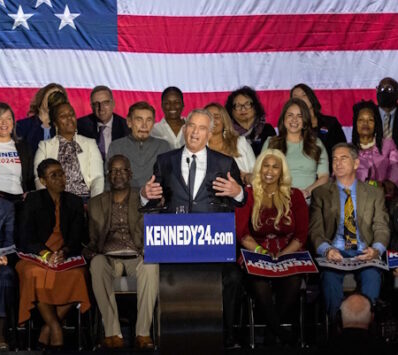
As one begins to unpack what Kennedy might mean by this, it becomes clear that Kennedy thinks the only appropriate safety trial is a placebo-controlled trial — and that the only legitimate placebo is water or saline. This is scientifically naive and misunderstands the purpose of a placebo in a trial.
First, many vaccines over the years have in fact been tested in randomized, placebo-controlled trials. Such trials are considered a gold-standard in medicine. Because the participants are randomly assigned to receive the vaccine or a placebo — which can be saline but doesn’t have to be — the results are less prone to bias, and differences between the groups can be attributed to the vaccine. Ideally, the trials are also double-blind, meaning neither the volunteers nor the people running the study are told who is in which group, which further reduces the possibility of bias.
The first polio vaccine, developed by Jonas Salk, was famously tested in a massive placebo-controlled trial with more than 600,000 children (more than a million other children participated in a non-placebo-controlled part of the trial). The COVID-19 vaccines and the newly approved RSV vaccines for older adults are recent examples of shots that were tested in placebo-controlled trials.
But placebo-controlled trials are not the only legitimate way to test vaccines. In fact, there are scenarios that scientifically and ethically require other methods — and it doesn’t mean that vaccines haven’t been tested for safety, as we and others have explained.
In certain circumstances, such as rolling out a new version of an existing vaccine, it would be both unethical and unhelpful to test the new product against a placebo. It’s better to test the new vaccine against whatever people have been using before.
Since most current vaccines aren’t the first version of a vaccine, or are part of a combination vaccine, most of these haven’t been tested in placebo-controlled trials. This includes the latest diphtheria, tetanus and pertussis, or DTap, vaccines, and the latest pneumococcal vaccine.
Another reason not to give a saline placebo is to make sure vaccine recipients in a trial are blinded and don’t know if they received the vaccine or a control, which could skew the results. This sometimes means using a different vaccine as a control or a placebo that includes everything in a shot except for the part that will trigger immunity, as the Children’s Hospital of Philadelphia explains.
The Food and Drug Administration, which evaluates and approves vaccines, told us in an email that vaccine studies typically include a control group, which can include “an FDA-approved vaccine (active control), a placebo or another substance.” (For more, see our chart “FDA Vaccine Approval Process.”)
“A placebo control, such as saline, is not required to determine the safety (or effectiveness) of a vaccine. In some cases, inclusion of placebo control groups is considered unethical,” the agency continued. “In cases where an active control is used, the adverse event profile of that control group is usually known and the findings of the study are reviewed in the context of that knowledge.”
Kennedy is also wrong to imply that vaccines are different from drugs because drugs are always tested in placebo-controlled trials. Similar to when there is an existing vaccine, it’s common for drugs to be tested against another treatment that’s the standard of care, rather than a sugar pill.
And contrary to Kennedy’s suggestion that drugs are more closely scrutinized for safety than vaccines, if anything, the opposite is true. “A higher standard of safety is generally expected of vaccines than of other medical interventions because, in contrast to most pharmaceutical products that are administered to ill persons for treatment purposes, vaccines are generally administered to healthy persons to prevent disease,” the Centers for Disease Control and Prevention’s Pink Book, which is a guide to vaccines and vaccine-preventable diseases, explains.
“Less tolerance of risk associated with vaccines requires close monitoring and timely assessment of vaccine adverse events to help distinguish true vaccine adverse reactions from coincidental unrelated events and to help maintain public confidence in vaccination,” the book continues.
Indeed, vaccines are arguably subjected to much more intensive post-marketing surveillance than drugs. Such monitoring is important because even the largest clinical trial cannot exclude very rare serious side effects. The FDA and CDC use several systems for this, including the Vaccine Adverse Event Reporting System, or VAERS, but also the Vaccine Safety Datalink, or VSD, which analyzes electronic health data from sites across the country in near real-time to spot possible vaccine side effects.
“I think those systems, if they were put in place for drugs, would pick up drug adverse events much more quickly,” Dr. Paul A. Offit, a vaccine expert at the Children’s Hospital of Philadelphia, told us in an interview for a previous story. “Vioxx being one example … that drug would have been found to be a rare cause of heart attacks much sooner.” Vioxx was a prescription anti-inflammatory drug that Merck voluntarily took off the market in 2004 after studies linked it to heart attacks and strokes.
Hepatitis B Vaccine
In multiple interviews, Kennedy misleads about the hepatitis B vaccine, falsely suggesting that the reason the vaccine is given to newborns is to boost profits for vaccine makers.
“The major vectors for [hepatitis B] are it’s sexually transmitted or by needles. Why would you give that to a one-day-old child?” Kennedy said in a town hall broadcast on NewsNation at the end of June. “It’s really a profit motive.”
In his appearance on Rogan’s podcast, Kennedy made the same argument, saying that people get hepatitis B from sharing needles, “going to a really seasoned prostitute,” or participating in “sort of compulsive homosexual behavior.” He acknowledged that babies can get hepatitis B from their mothers, but said that every pregnant woman is tested for it, “so the baby doesn’t need this.”
“Why would you give it to a one-day-old baby, you know, or a three-hour-old baby, and then four more times, when that baby’s not going to be even subject to it for 16 years?” he asked, erroneously stating the number of vaccine doses (it’s three in childhood).
Kennedy then suggested that the CDC recommended the vaccine for children to ensure revenue for Merck, because the vaccine had originally been given only to high-risk groups that weren’t buying enough vaccines.
Kennedy is distorting what happened — and omitting the fact that hepatitis B can be spread in ways that do leave infants and young kids susceptible to the virus.
As the Children’s Hospital of Philadelphia explains, the hepatitis B vaccine was first licensed in 1981 and recommended for high-risk people, including certain adults but also infants born to mothers with hepatitis B, since vaccination can prevent mother-to-infant transmission.
“However, immunization of these groups didn’t effectively stop transmission of hepatitis B virus. That’s because about one-third of patients with acute disease were not in identifiable risk groups,” CHOP’s website says. “The change of recommendation to immunize all infants in 1991 was the result of these failed attempts to control hepatitis B by only immunizing high-risk groups. Following this recommendation, hepatitis B disease was virtually eliminated in children less than 18 years of age in the United States.”
After initially advising that infants be vaccinated “preferably” before hospital discharge, but no later than 2 months of age, the U.S. changed its guidance in 2018 to have babies vaccinated within 24 hours of birth. This is slightly different from some countries, including the U.K., which give the first dose at 8 weeks unless a mother is hepatitis B-positive. But it’s in line with what the World Health Organization advises. There is no safety reason to delay the dose; Kennedy’s implication that giving newborns a vaccine is somehow risky is not based on any evidence.
Also contrary to Kennedy’s statements, there are good reasons to give infants hepatitis B vaccines. While most cases of hepatitis B in the U.S. occur in adults, the viral disease is especially dangerous to young children because infection early in life is more likely to lead to chronic hepatitis B, which can cause cirrhosis, liver cancer or liver failure.
More than 90% of babies and up to half of children ages 1 to 5 infected with the virus develop chronic infection, compared with less than 5% of older children and adults, according to the CDC’s Yellow Book, which provides health information for international travelers. A quarter of children who are chronically infected will prematurely die of a liver problem. As a result, protecting babies and young kids from hepatitis B has an outsized impact on reducing the burden of the disease.
As for how young children get hepatitis B, babies can contract the infection from their mothers during birth, since the virus is spread via blood. American hospitals test pregnant people for hepatitis B, but as the CDC explains, there can be errors or delays in testing or reporting of results. So giving all infants the vaccine soon after birth “acts as a safety net” for reducing mother-to-infant transmission. Studies also show that vaccination at birth increases the chance that a child will complete the three-shot series.
Kids, though, can also pick up hepatitis B later, especially if they live with or are cared for by someone with the disease. Many people with hepatitis B may not have symptoms and don’t know they are infected. Hepatitis B virus is highly contagious, so minute amounts of blood can spread the virus. The virus is also hardy and remains infectious on objects for at least a week. This means children can get hepatitis B from washcloths, a shared toothbrush or nail clippers, or through pre-chewed food given to a baby — no drug use or sexual activity required. Vaccination at birth protects children right away from any household exposures they might have.
Distorted, Illogical Historical Argument About Vaccination
On multiple recent occasions, Kennedy has cast doubt on vaccines by saying that sanitation and nutrition were more important than vaccination in driving down mortality in the 20th century.
This may be true to some extent, but it doesn’t mean that vaccination is not important.
“There was this huge decline in infection, in mortalities from infectious diseases that took place in the 20th century, an 80% drop in deaths from infectious disease. And what caused that wasn’t vaccines,” Kennedy said in his interview with Rogan, describing a study published in Pediatrics in 2000. “The real drop happened because of really, engineering solutions: refrigerators, you could store food … better housing, sanitation, the invention of chlorine, sewage treatment. But mainly nutrition. Nutrition is absolutely critical to building immune systems. And so and what was really killing these children was malnutrition.”
The study Kennedy references does say some of this, including noting that “nearly 90% of the decline in infectious disease mortality among US children occurred before 1940, when few antibiotics or vaccines were available.” But it doesn’t mention malnutrition at all. And the paper is still pro-vaccine.
According to the study, the large drops in child mortality in the first third of the last century were likely due to “improved socioeconomic conditions” and things such as water treatment, food safety and waste disposal. That dramatically cut down on diarrheal diseases. Better housing and less crowding in cities also greatly cut the number of deaths from tuberculosis and other airborne diseases.
Vaccination, the study notes, could not have contributed to a decline in deaths during this time because most vaccines were not widely implemented yet.
“Vaccines against diphtheria, tetanus, and pertussis became available during the late 1920s but only widely used in routine pediatric practice after World War II. Thus vaccination does not account for the impressive declines in mortality seen in the first half of the century,” the paper reads.
But, the article continues, the reductions in vaccine-preventable diseases “are impressive. In the early 1920s, diphtheria accounted for about 175 000 cases annually and pertussis for nearly 150 000 cases; measles accounted for about half a million annual cases before the introduction of vaccine in the 1960s. Deaths from these diseases have been virtually eliminated, as have deaths from Haemophilus influenzae, tetanus, and poliomyelitis.”
Kennedy also has a habit of citing a sociology paper from 1977, which noted that death rates from many infectious diseases had already begun to fall well before the arrival of vaccines or effective drugs. The authors estimated that only 3.5% of the total decline in mortality between 1900 and 1973 was due to medical measures of any kind.
But just because people were able to reduce the burden of disease by having access to clean water, indoor plumbing, and better food and housing doesn’t imply that vaccines were not needed or helpful to further reduce disease. Few people would decline a life-saving antibiotic today just because antibiotics weren’t a dominant force in lowering American mortality rates in the 20th century. The same should be true of vaccines.
In response to anti-vaccine advocates citing their work, the authors of the 1977 paper have said that they “consider this an egregious misinterpretation of our research,” adding that “[e]ffective vaccines clearly have an important role in the ongoing containment of a disease after its prevalence has been reduced.”
It’s worth noting that plenty of data indicate that vaccines have prevented many deaths, hospitalizations and illnesses over the years. Globally, measles vaccination alone is estimated to have saved 56 million lives between 2000 and 2021.
‘Lazarus Study’ and Alleged ‘Vaccine Injuries’
As supposed evidence of vaccine harm, Kennedy frequently refers to what he calls the “Lazarus study.”
“Fewer than 1 in 100 vaccine injuries are ever reported because it’s voluntary,” he said in his interview with Rogan, referring to reports to the Vaccine Adverse Event Reporting System. “You can find support for this in the Lazarus study. Lazarus actually looked and said, how many injuries are actually happening, how many are reported? And they said fewer than 1 in 100 are ever reported.”
He again referenced the work in an interview with Bill Maher on the podcast “Club Random with Bill Maher.” “What they found is that the actual rate of injury was about, I think, 2.3%, which is 1 out of every 37 people,” Kennedy said.
Kennedy’s nonprofit, Children’s Health Defense, also frequently cites the analysis, as we’ve written. But several aspects of these claims are incorrect or misleading.
First, the document is not formally a published study; it’s a 2010 final report by researchers with the nonprofit health insurance company Harvard Pilgrim Health Care for a project funded by the Agency for Healthcare Research and Quality, a governmental agency under the Department of Health and Human Services. (The lead investigator’s name was Dr. Ross Lazarus.)
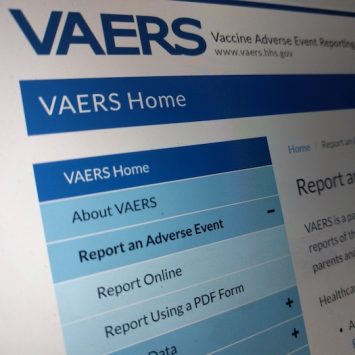
Second, what Kennedy is calling “vaccine injuries” are in fact adverse events, which are health issues that occur after vaccination but aren’t necessarily due to a vaccine. Many of them are coincidental. This is a prevailing misunderstanding about VAERS. (For more, see our article “What VAERS Can and Can’t Do, and How Anti-Vaccination Groups Habitually Misuse Its Data.”)
VAERS works by collecting reports of possible vaccine side effects. Because these are voluntarily submitted, the database doesn’t include every real side effect that does occur. Anti-vaccine advocates often complain about this “underreporting.” At the same time, not all reported events were caused by vaccines, so there is also “overreporting.”
This issue is relevant to understanding the Harvard Pilgrim Health Care report’s findings. The scientists wrote a computer program to analyze electronic medical records, looking for certain prescriptions, lab tests and diagnostic codes that occurred within 30 days of a vaccine to identify possible vaccine side effects. The original plan was to then use this automated system to help medical professionals submit reports to VAERS.
The group identified, in data described as “preliminary,” 35,570 possible side effects after 1.4 million vaccine doses, or possible side effects occurring after 2.6% of vaccinations.
The key word here is possible. Although Kennedy presents these events as being caused by vaccines, that is not necessarily the case. (Later, in the Rogan interview, Kennedy does say they might not be vaccine-caused, but by that point, he had already repeatedly called them “vaccine injuries.”)
And while Kennedy’s language could suggest that such “injuries” are all serious, that’s also not the case. Elsewhere in the Harvard Pilgrim Health Care report, the authors state that “fewer than 1% of vaccine adverse events are reported.” This is the sentence Kennedy and others have long latched onto, using it to misleadingly argue that the problems reported in VAERS are only the tip of the iceberg.
It’s unclear how this was calculated, but Dr. Michael Klompas, a public health surveillance researcher at Harvard Medical School and one of the authors of the report, told us in an email for an earlier story that the 1% number “takes into account that many adverse effects of vaccines are mild and expected so not worth reporting (sore arm, fatigue, local redness, etc.).” It’s misleading to refer to this number without noting that it includes mild, expected side effects that people would rarely bother reporting to VAERS.
Other research has shown that VAERS more completely captures adverse events that are serious rather than mild.
The report, then, is not evidence that vaccines are dangerous, as Kennedy tries to claim. Instead, it describes one approach that could be used to improve reporting to VAERS, essentially changing it from a purely passive system.
Other government vaccine safety monitoring systems, it should be noted, are active systems that automatically collect data and do not rely on reporting, including the Vaccine Safety Datalink. The CDC and FDA purposely use multiple passive and active systems together for vaccine safety surveillance.
Misleading Claim About the National Childhood Vaccine Injury Act
In at least three different recent interviews, Kennedy has spun a misleading tale about the origin of the National Childhood Vaccine Injury Act of 1986 to incorrectly suggest that vaccines are irredeemably unsafe.
In the 1970s and 1980s, vaccine makers were increasingly being sued for millions of dollarsby parents for alleged harm to their children, many for certain neurological health issues claimed to be due to the diphtheria, tetanus and pertussis, or DTP, vaccine. Although studies would later show that there was no link to the vaccine, vaccine companies sometimes lost these cases in court. This led some companies to stop making vaccines altogether, running up the cost of vaccines and also increasing the risk of vaccine shortages.
In recognition that vaccines are highly beneficial, but do rarely cause serious side effects, such as allergic reactions, the government stepped in and decided to give immunity in most cases to vaccine makers — and set up an alternate compensation system for people with reasonable claims of harm. The law also required vaccine recipients to receive fact sheets about each vaccine and spawned VAERS to function as an early warning system for detecting possible safety problems due to vaccines.
Kennedy’s version of the story, however, plays up the risks of vaccines.
“The reason the Vaccine Act was passed that gave immunity from liability to these companies is because they said the vaccines could not be produced — that they were unavoidably unsafe,” he said in the podcast interview with Maher. “And that phrase is in the 1986 statute, and it’s in the Supreme Court Bruesewitz case, which upheld that statute.”
“Anybody who tells you vaccines are safe and effective, the industry itself got immunity from liability by convincing the president and Congress that vaccines are unavoidably unsafe,” he also said in his interview with Rogan.
This is misleading — and also wrong on the specifics. “Unavoidably unsafe” doesn’t mean, as Kennedy implies, that a product is really dangerous and shouldn’t be used. As University of California Law San Francisco professor Dorit Reiss has explained in a blog post, the legal term actually refers to a product that is considered to be highly beneficial, but that cannot be made entirely risk-free. (Safe and effective, it should be said, doesn’t mean perfectly safe and perfectly effective, either — a standard that no medical product would be able to meet.)
“Unavoidably unsafe” also doesn’t appear in the 1986 law, as Kennedy claims. Instead, what the law says is that no vaccine manufacturer “shall be liable … if the injury or death resulted from side effects that were unavoidable even though the vaccine was properly prepared and was accompanied by proper directions and warnings.”
In the majority opinion for the Bruesewitz case, the phrase is only mentioned because it was part of an argument that was rejected. The issue before that court, Reiss explains, was whether a plaintiff could sue for an alleged vaccine injury for a vaccine design defect in state court. This hinged on whether the 1986 law meant to invoke tort law’s “unavoidably unsafe” language. Most justices said no. “In other words,” Reiss told us in an email, “the majority of the court mentioned the phrase only to say it’s not a correct interpretation of the law.”
This brings us to Kennedy’s claim in his interview with Maher that vaccine companies get immunity “no matter how negligent they are … no matter how reckless the behavior, no matter how shoddy their manufacturing and testing process is.”
This is false. Reiss told us that while the Bruesewitz case determined that someone cannot sue for a vaccine design defect, one can bring other claims against vaccine makers, including for manufacturing defects, negligence and fraud. Claims can be taken to state court, she said, if one first goes through the vaccine compensation program and it either takes more than 240 days for a response or one rejects the decision.
This is in fact exactly what Kennedy himself has done in lawsuits against Merck over its HPV vaccines. “[T]hat shows that his point is untrue — and that he knows it,” Reiss said."